
Overview
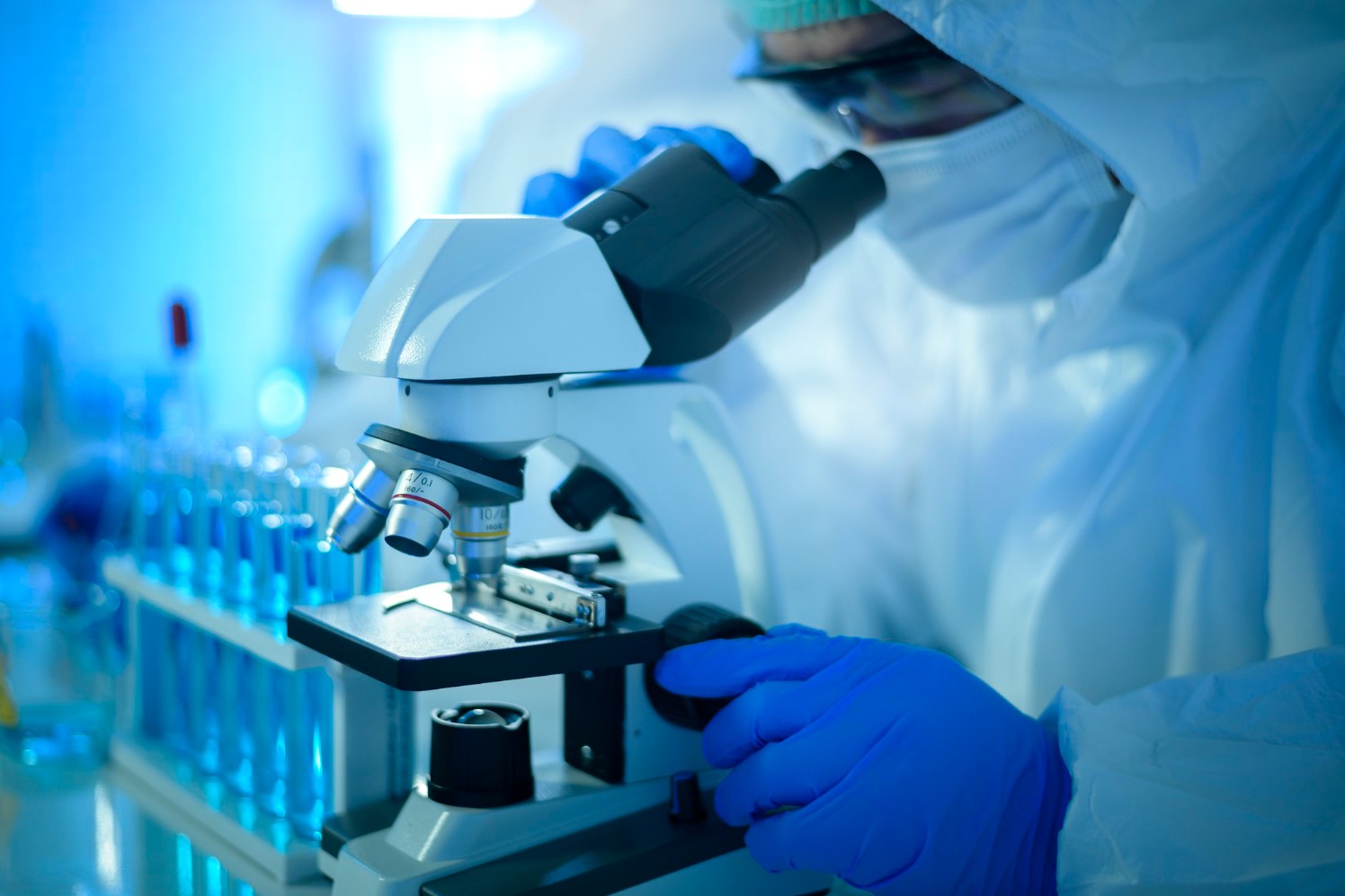
Accurate diagnosis is the foundation of effective treatment. Our advanced pathology unit is equipped with modern pathology technologies to deliver precise and timely test results.
Home sample collection available within 10 km radius
Services
- Biochemistry and hormonal analysis
- Preventive health check-up packages
Key Pathology Departments and Specialties
- Anatomic Pathology: Examines tissues and cells to detect structural changes.
- Histopathology: Studies tissue samples (biopsies, surgical specimens) to diagnose diseases like cancer.
- Cytopathology (Cytology): Examines individual cells (e.g., Pap smears, fluid analysis) to detect disease.
- Forensic Pathology: Determines the cause of death by performing autopsies and examining tissue samples.
- Neuropathology: Focuses on diseases of the nervous system and skeletal muscles.
- Clinical Pathology (Laboratory Medicine): Analyzes body fluids to diagnose illness.
- Hematopathology/Hematology: Focuses on blood diseases, including bone marrow, blood clots, anemia, and leukemia.
- Chemical Pathology (Clinical Chemistry): Measures chemicals, hormones, and drugs in blood/urine to diagnose conditions like diabetes.
- Medical Microbiology/Virology: Identifies infectious agents like bacteria, viruses, and fungi.
- Immunology/Immunopathology: Focuses on immune system disorders, such as allergies or transplant rejection.
- Transfusion Medicine (Blood Bank): Manages blood products, testing, and compatibility for transfusions.
- Molecular Pathology/Genetics: Analyzes DNA/RNA to diagnose genetic diseases and guide targeted therapies.
- Dermatopathology: Specializes in skin disease diagnosis.
- Pediatric Pathology: Focuses on diseases affecting fetus, infants, and children.
Key Functional Areas within Labs
- Pathology Accessioning: The initial step where samples are received and registered.
- Immunostains Laboratory: Uses specialized staining techniques to identify specific cellular components.